Thank you! Structural tips are on the way!
Oops! Something went wrong while submitting the form.

2026

Load-Bearing Metal Stud vs. Structural Steel Construction

Metal stud bearing systems are efficient in buildings with shorter spans and wall-driven layouts, especially where fireproofing of exposed steel is undesirable. They favor repetitive plans with walls spaced up to 20 feet apart that naturally align with units or rooms. Structural steel frames are better suited for longer spans (20 to 40 feet), accommodating large openings, and maximizing architectural flexibility. When the design demands open floor plates or future layout changes, steel framing typically provides a more forgiving solution.

Load-Bearing Metal Stud vs. Concrete Construction

Metal stud bearing walls are lighter and faster to erect than concrete, which can reduce foundation sizes and shorten construction schedules. This makes them attractive for low- and mid-rise projects with tight timelines. Concrete systems provide greater stiffness, durability, and impact resistance, and they perform better when heavy transfers or long-term deflection control are required. Load-bearing metal stud systems work best when gravity load paths are regular and repetitive.

Load-Bearing Metal Stud

Load-bearing metal stud systems are often selected over wood when noncombustible materials, dimensional consistency, or moisture resistance are key priorities. Unlike wood, metal studs remain straight, resist shrinkage, and lend themselves well to repetitive layouts where penalization or prefabrication can improve efficiency. With a wide range of available sizes, they can also be tailored to perform effectively in longer-span applications.

Be Intentional with Openings

In load-bearing cold-formed metal stud framing, windows, doors, and storefronts affect how loads are transferred through the wall. Thoughtful opening placement can reduce the need for heavier jambs, headers, and reinforcing.

Design-Build Delivery

Design‑Build delivery is gaining popularity because it can accelerate schedules and spark innovation. Projects will be most successful when the team defines design intent and performance requirements up front, and when regular milestone reviews confirm that cost and constructability decisions reinforce the project’s goals.

Mass Timber & Fire Performance

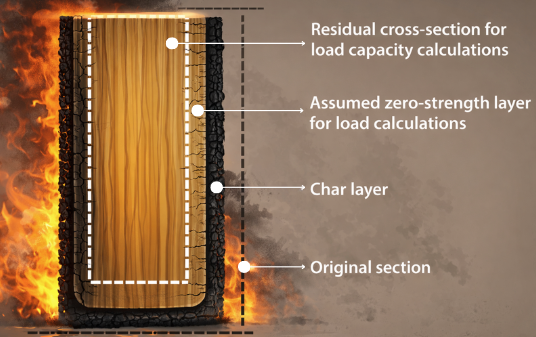
With the growing use of Mass Timber and its increasing acceptance in building codes, it has become a strong option for construction thanks to its inherent fire resistance and ability to leave structural elements exposed. However, special attention must be given to connection detailing—particularly fastener spacing and edge distances—to ensure strong and reliable performance.

2025

2024

2024

2023

2022

2021

2020

2019

2018

2017

2016

2015

2014

2013

2012

2011